

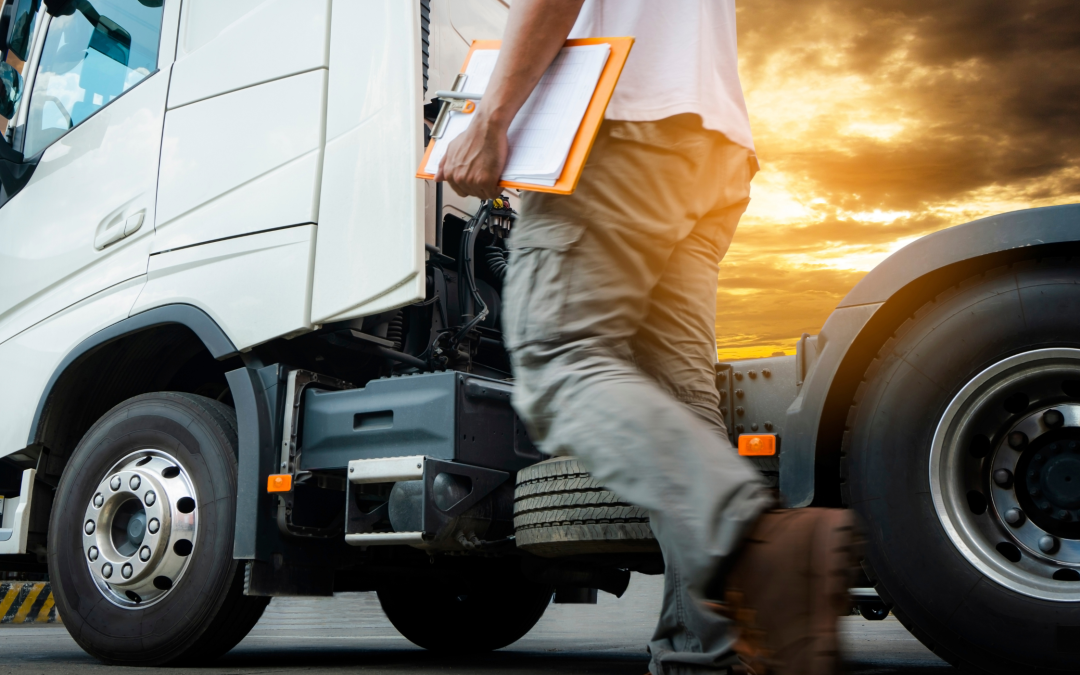
FTL vs LTL in Malaysia is one of the most common comparisons businesses make when choosing a lorry transport solution. Choosing the right transportation option is just as important as choosing the right logistics provider. Whether you’re moving goods within Malaysia or arranging deliveries across the country, selecting between a Full Truckload (FTL) and a Less-than-Truckload (LTL) service can significantly impact your shipping costs, delivery speed, and overall supply chain efficiency.
Many businesses assume hiring an entire lorry is always the better option, while others choose shared transportation simply because it costs less. In reality, the right choice depends on several factors, including shipment size, delivery urgency, cargo value, and budget.
In this guide, you’ll learn the differences between FTL vs LTL in Malaysia, when each option makes the most sense, and how businesses can choose the most cost-effective lorry hire solution.
This guide compares FTL vs LTL Malaysia options to help businesses choose the right transport solution.
What Is Lorry Hire?
Lorry hire refers to transportation services that move goods between locations using commercial trucks. Businesses across manufacturing, retail, construction, e-commerce, and distribution rely on lorry hire services to transport products safely and efficiently throughout Malaysia.
Depending on shipment volume and delivery requirements, businesses generally choose between two transportation options:
- Full Truckload (FTL)
- Less-than-Truckload (LTL)
Understanding the differences between these services helps businesses optimise transportation costs while ensuring goods arrive on time.
What Is Full Truckload (FTL)?
Full Truckload (FTL) means a single customer books the entire truck for one shipment.
The vehicle is dedicated exclusively to your cargo, allowing goods to travel directly from the pickup location to the delivery destination without sharing space with other shipments.
FTL is commonly used when:
- Shipping large quantities of goods
- Delivering fragile or high-value cargo
- Meeting urgent delivery deadlines
- Transporting oversized or heavy equipment
- Requiring greater shipment security
Because the truck makes no additional collection or delivery stops, FTL generally offers faster transit times and reduces cargo handling.
What Is Less-than-Truckload (LTL)?
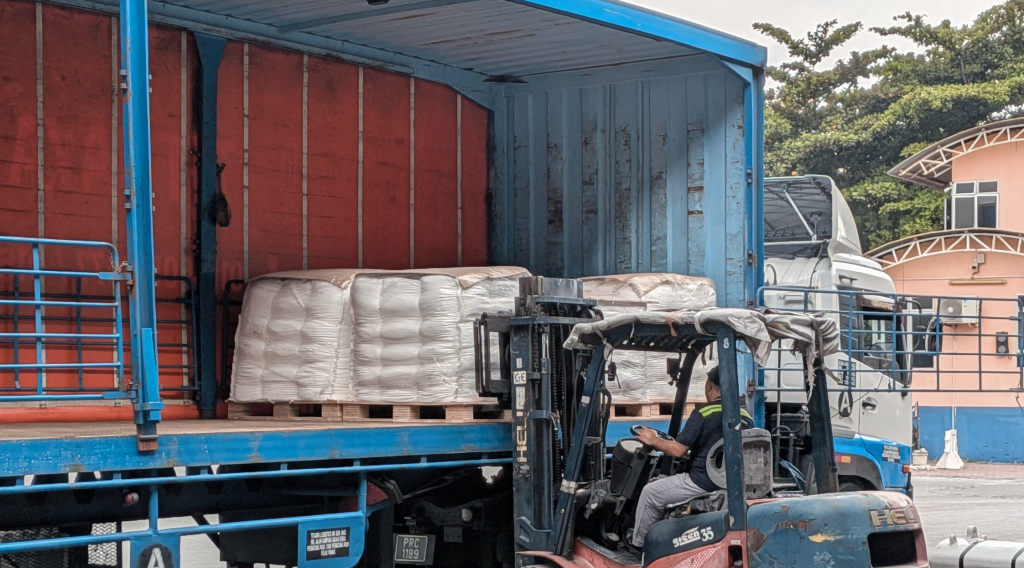
Less-than-Truckload (LTL) allows multiple businesses to share the same truck.
Instead of paying for the entire vehicle, customers only pay for the space their cargo occupies. This makes LTL an economical option for businesses shipping smaller volumes.
LTL is commonly used when:
- Shipping small or medium-sized loads
- Reducing transportation costs
- Making regular deliveries with flexible schedules
- Transporting palletised cargo that does not require an entire truck
Although LTL helps lower transportation costs, deliveries may take longer because the truck collects and delivers cargo for multiple customers along the route.
FTL vs LTL: Which One Should You Choose?
| Choose FTL if… | Choose LTL if… |
| You have enough cargo to fill a truck | Your shipment only occupies part of a truck |
| Fast delivery is a priority | Lower shipping costs are more important |
| Your cargo is valuable or fragile | Delivery timelines are flexible |
| You want minimal cargo handling | You ship smaller quantities regularly |
| You require direct transportation | You don’t mind shared transportation |
Learn more about the cross border trucking across Southeast Asia, including Malaysia to Singapore and Malaysia to Thailand.
4 Factors to Consider Before Hiring a Lorry
Before deciding between FTL and LTL, businesses should consider several key factors.
- Shipment Size : Large shipments usually benefit from FTL, while smaller shipments are generally more cost-effective with LTL.
- Delivery Timeline: If your shipment must arrive within a strict deadline, FTL offers a faster and more predictable transportation schedule.
- Cargo Value: High-value, fragile, or sensitive cargo benefits from dedicated transportation with fewer handling points.
- Budget: LTL reduces transportation costs by allowing multiple businesses to share one vehicle.
- Delivery Frequency: Businesses making frequent small deliveries often achieve better cost efficiency using LTL, while businesses transporting large weekly shipments may benefit more from FTL.
Industries That Commonly Use FTL and LTL
FTL is commonly used by:
- Manufacturers
- Construction companies
- Automotive suppliers
- Furniture companies
- Industrial equipment suppliers
LTL is popular among:
- E-commerce businesses
- Retailers
- Wholesalers
- SMEs
- FMCG distributors
Transport Solutions Built Around Your Shipment Needs
Solid Xpress freight forwarder in Malaysia helps businesses select the right transport option based on cargo volume, delivery schedule, destination and budget through our lorry transport services.
Our team manages FTL, LTL, domestic transportation, cross border trucking and freight forwarding to reduce delays, control costs and keep shipments moving smoothly across Malaysia.
Contact Solid Xpress today to find the right lorry hire solution for your business and let our team help optimise your logistics operations.
Frequently Asked Questions About FTL vs LTL in Malaysia
1. Is FTL faster than LTL?
Yes. Since FTL transports only one customer’s cargo, deliveries are generally faster because there are fewer stops and less cargo handling.
2. Is LTL cheaper?
In most cases, yes. LTL allows businesses to share transportation costs, making it a more economical option for smaller shipments.
3. Can fragile goods be transported using LTL?
Yes, but FTL is often recommended for fragile or high-value cargo because it minimises handling and reduces the risk of damage.
4. Which option is better for businesses?
Neither option is universally better. The right choice depends on shipment size, delivery urgency, budget, and cargo requirements.