

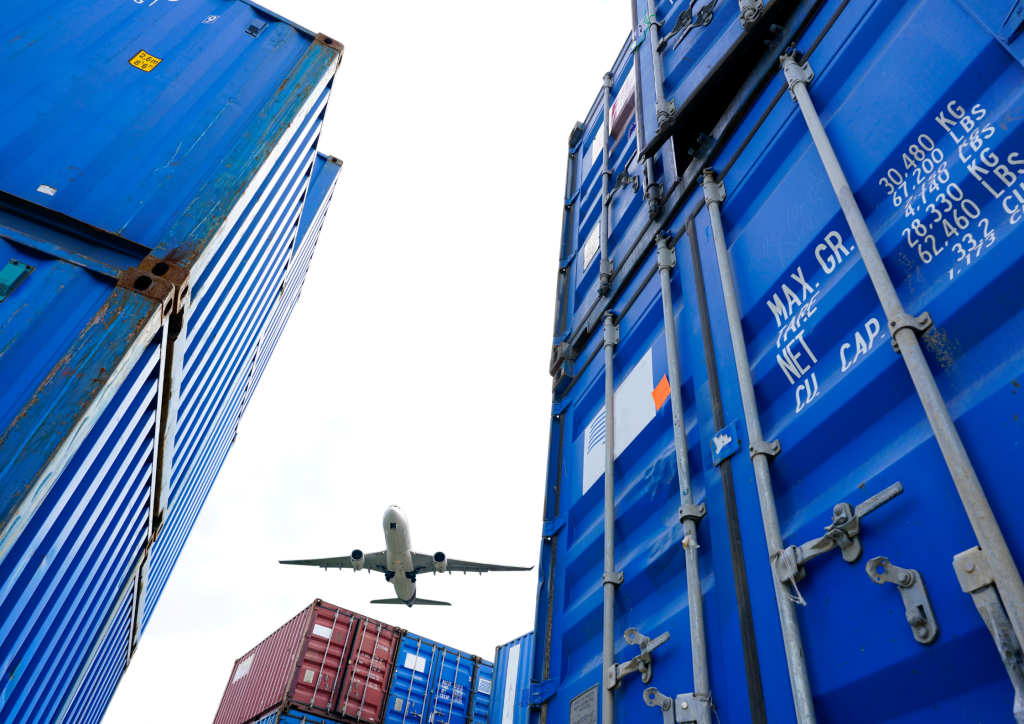
Air cargo restrictions are an important part of international air freight regulations. While air freight is one of the fastest and most reliable ways to transport goods internationally, not every product can be shipped by air. Airlines and aviation authorities have strict safety regulations that prohibit or restrict certain types of cargo, particularly items that may pose a fire, chemical, or safety risk during flight.
If you’re shipping goods from Malaysia, understanding air cargo restrictions before booking your shipment can help prevent delays, rejected cargo, and unexpected costs. Whether you’re exporting commercial products, personal belongings, or industrial equipment, knowing what can and cannot be transported by air is an important part of planning your shipment.
This guide explains air cargo restrictions, the different categories of air cargo, common prohibited and restricted items, and what businesses should know before arranging air freight from Malaysia.
What Is Restricted Air Cargo?
Restricted air cargo refers to goods that can only be transported under specific conditions or with additional documentation and approvals. Depending on the type of product, airlines may require specialised packaging, safety declarations, or compliance with international air transport regulations before accepting the shipment.
These restrictions are designed to protect aircraft, cargo handlers, passengers, and the environment throughout the transportation process.
What Items Cannot Be Shipped by Air?
Some items are prohibited from air transport because they present an unacceptable safety risk during flight. These goods are generally not accepted by commercial airlines unless special approvals or dedicated dangerous goods procedures are in place.
Common prohibited items include:
- Explosives and fireworks
- Flammable liquids and fuels
- Compressed gases
- Toxic or infectious substances
- Radioactive materials
- Corrosive chemicals
- Certain oxidising agents
Before shipping any potentially hazardous product, businesses should confirm whether it is permitted under current airline and aviation regulations.
Common Restricted Goods
Some products can still be transported by air but require special handling, documentation, or packaging.
Examples include:
- Lithium batteries
- Perfumes and aerosols
- Paints and adhesives
- Medical products
- Dry ice
- Chemicals
- Laboratory samples
These shipments are often classified as Dangerous Goods (DG) and must comply with the International Air Transport Association (IATA) Dangerous Goods Regulations before they can be accepted for transport.
Why Are Some Goods Restricted for Air Freight?
Air transport is subject to strict international safety standards. Unlike road or sea freight, cargo carried by aircraft is transported in a controlled environment where certain materials may become hazardous due to changes in pressure, temperature, or vibration.
For this reason, airlines carefully assess the type of goods being shipped before accepting them for transport. Items that are flammable, explosive, corrosive, toxic, or capable of generating heat may require additional precautions or may not be accepted on passenger aircraft at all.
These regulations help protect the aircraft, crew, cargo handlers, and other shipments throughout the journey.
How to Ship Restricted Goods by Air
Shipping restricted goods does not always mean they cannot be transported. In many cases, the shipment can proceed if it complies with airline regulations and the required documentation is prepared correctly.
Before arranging air freight, businesses should:
- Confirm whether the goods are classified as restricted or dangerous.
- Use packaging that meets airline safety requirements.
- Prepare all required shipping documents and declarations.
- Check if any permits or approvals are needed.
- Work with a freight forwarder experienced in handling restricted cargo.
Proper planning in the air freight forwarding process helps reduce the risk of shipment rejection, customs delays, or additional handling charges when calculating freight costs.

Air Freight Support That Keeps Cargo Compliant and Moving
Solid Xpress freight forwarder in Malaysia helps businesses avoid air freight delays by identifying cargo restrictions, airline requirements and documentation needs before shipment.
Our team for air freight in Malaysia manages shipment planning, customs clearance, special handling arrangements and final delivery to keep each stage organised and compliant.
For general cargo, urgent shipments and regulated goods, we recommend the most suitable air freight solution based on cargo type, destination and delivery timeline. This helps reduce the risk of rejected bookings, customs issues and unexpected transport costs.
Contact Solid Xpress to review your cargo requirements and arrange a safe, efficient and compliant air freight shipment.
Frequently Asked Questions About Air Cargo Restrictions
1. Can I ship lithium batteries by air from Malaysia?
Yes, but it depends on the type, size, and quantity of the batteries. Lithium batteries are classified as regulated cargo and must comply with airline safety requirements. Special packaging, labelling, and documentation may also be required before the shipment is accepted.
2. Can food products be shipped by air?
Yes. Many food products, including fresh produce, seafood, frozen food, and confectionery, can be transported by air. However, certain products may require health certificates, import permits, or temperature-controlled packaging, depending on the destination country.
3. Can liquids be transported by air?
Some liquids can be shipped by air, while others are restricted or classified as dangerous goods. Products such as perfumes, paints, solvents, and certain chemicals may require special handling and documentation before shipment.
4. What happens if my cargo is classified as restricted?
Restricted cargo is not necessarily prohibited. In many cases, it can still be transported if it meets airline regulations and all required documents, packaging, and declarations are prepared correctly.
5. How can I check if my goods can be shipped by air?
The easiest way is to consult an experienced freight forwarder before booking your shipment. They can review your cargo, confirm any restrictions, and advise on the documents or approvals required before transportation.